Critical design elements
Critical design elements for a rainwater harvesting system
To design and build a rainwater harvesting system it is imperative that you understand the conceptual system in totality. A rainwater harvesting system is a big investment and it should be well designed to last and operate effectively for many years. It must be designed to deliver optimum water recovery and add value to the property. As part of our design our team apply some of the the following critical design elements below:
-
Sizing the the rainwater storage tank correctly
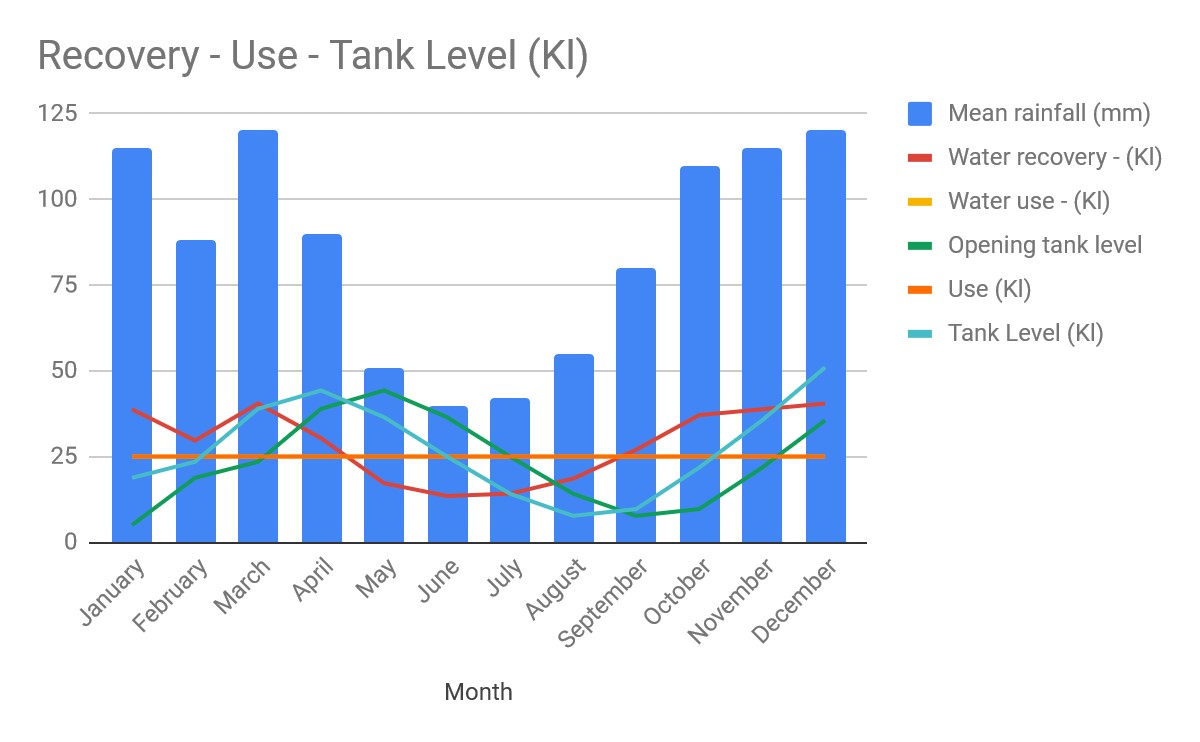
- In order to understand how much rainwater can be captured you need to know the surface area of the building or structure that will be used to capture the rainwater. By using the average annual rainfall data in your area you can calculate how much water will be captured during an average rain season.
- This will give you an indication of how much water you can capture and how big your storage tank should be. The storage tank is one of the more expensive components to a system. We have found many systems that have too little storage capacity and lose a lot of potential water.
- It is also important that the tank overflow every once in a while to flush of a bit of the surface layer of water. This helps improve the water quality.
- Understand and analyze flow and pressure requirements
- It is critical that we size the system correct for the supply pump application. This can only be done by doing a flow analysis and water volume requirement for the household or business. We find many installations where the wrong booster pumps were installed – resulting in over-pressure and damage to household equipment or low pressure and low water flow to the house.
- Piping need to be sized correctly for the flow requirements. Too small pipes will result in pressure loss in the system
- Understanding water quality and ensuring it is treated correctly
- Water pH and quality vary and it can have a significant impact on your water pipes and appliance lifespan. The risk is slow and costly damage and corrosion in the long term. By analyzing the water quality and installing the correct treatment equipment you can extend the life and prevent damage to your appliance and piping systems.
- Managing and effective control of organic material in your water storage system
- It has been proven that effective pre-fitration before rainwater goes into the rainwater tank is the biggest critical success factor for consistent good quality rainwater.
- Big pieces of organic material (leaves etc) can adversely affect the quality of water in your storage system. It is critical that pre-filtration prevent an increase in the organic load in the storage tanks, and we incorporate it into the design. It should be a system that is easy to maintain at a very low cost.
- Ensuring an effective and undisturbed bio layer in the storage tank.
- The controlled amount of organic material in the storage system settles to the bottom and acts as a natural filtration and cleaning system in your storage tank. The design should ensure that the bio layer is not disturbed and that there is sufficient oxygen in the water for it to function optimally.
- Effective filtration systems
- Filtration system must be correctly sized for the application and the sanitizing system. Incorrectly sized components can lead to ineffective filtration and the risk that the water is not properly sanitized which can result in bacteria and unwelcome pathogens ending up in your water supply.
- Backflow prevention of treated water into the municipal system
- There is always a risk that treated water can find its way back into the municipal water supply system. In order to prevent it from happening it is imperative that a backflow prevention valve is installed. This is a legal requirement in many countries and just good engineering design practice when installing a system.
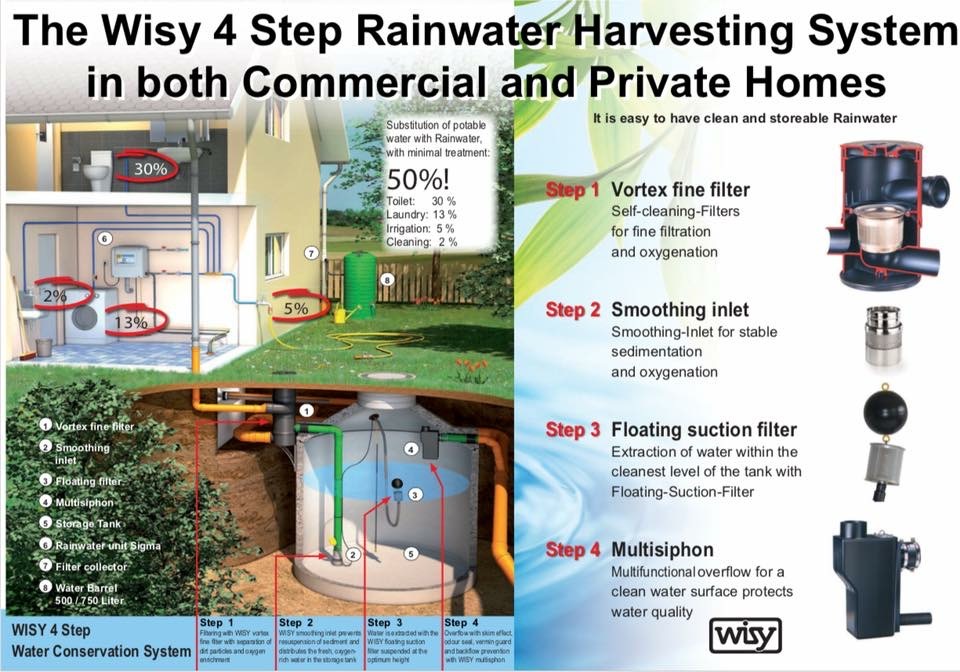
The WISY 4 step rainwater harvesting elements for effective design
As part of our critical design elements we also incorporate the WISY 4 step system for an effective rainwater harvesting system.
WISY AG in Germany has over many years developed a 4 step system for effective rainwater harvesting. These fours steps can be applied in residential, commercial, agricultural and industrial rainwater harvesting systems.
STEP 1
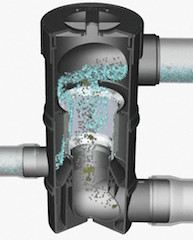
Is the effective collection of rainwater. The system focus on maximizing rainwater recovery and removing organic material from the water before it enters the rainwater tank. It is self-cleaning system with a 10 year warranty. It can be installed above or below ground, within a combined supply pipe or in individual gutters or even inside the tank. It all depends on the installation design and layout.
STEP 2
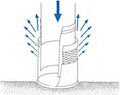
A Smoothing inlet prevents the disturbance of the bio-layer and the stirring of sediment in the water. It introduced the oxygenated rainwater into the bottom of the tank improving water quality.
STEP 3
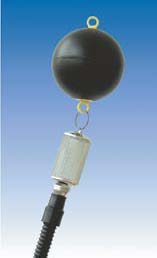
The floating suction filter connected to the rainwater supply pump ensure the discharge of the cleanest and oldest water first. It floats just below the surface of the water in the rainwater tank.
STEP 4
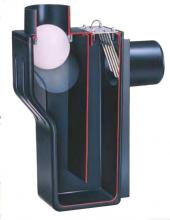
The Multisyphon Overflow skims particles from the top of the water when the tank overflows resulting in improved water quality. It protects the tanks from ingress of vermin and insects. It is low maintenance and is installed inside the rainwater tank.
Our company has successfully applied these principles in our rainwater installations - to the extent that within our systems rainwater quality is exceptionally good and with a purification unit it can be easily converted to potable water. Tizagenix is also the exclusive supplier and distributor of the WISY equipment in Southern Africa.
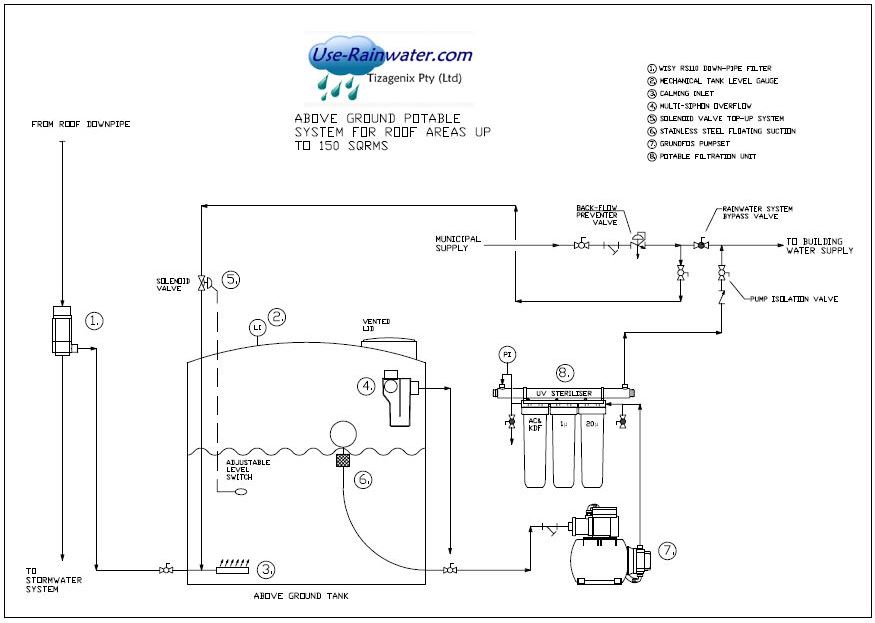
Below is a flow diagram of a 150sqm roof design that we apply and that can be used as a guidline.